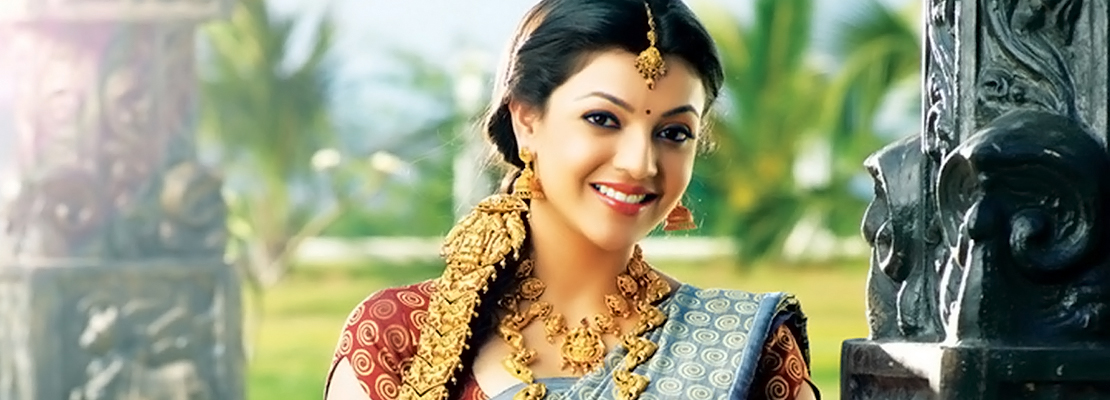
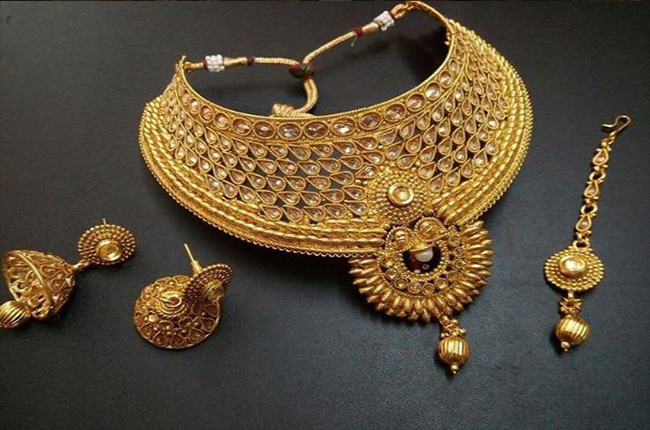
Jewellery consists of small decorative items worn for personal adornment, such as brooches, rings, necklaces, earrings, pendants and bracelets. Jewellery may be attached to the body or the clothes, and the term is restricted to durable ornaments, excluding flowers for example. For many centuries metal, often combined with gemstones, has been the normal material for jewellery, but other materials such as shells and other plant materials may be used. It is one of the oldest type of archaeological artefact – with 100,000-year-old beads made from Nassarius shells thought to be the oldest known jewellery.
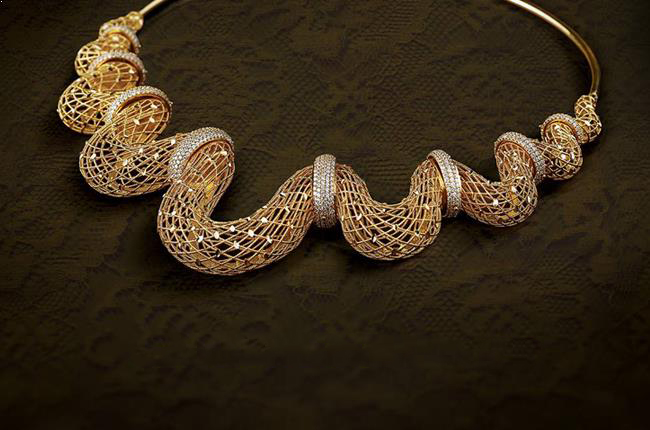
Jewellery may be made from a wide range of materials. Gemstones and similar materials such as amber and coral, precious metals, beads, and shells have been widely used, and enamel has often been important. In most cultures jewellery can be understood as a status symbol, for its material properties, its patterns, or for meaningful symbols. Jewellery has been made to adorn nearly every body part, from hairpins to toe rings, and even genital jewellery. The patterns of wearing jewellery between the sexes, and by children and older people can vary greatly between cultures, but adult
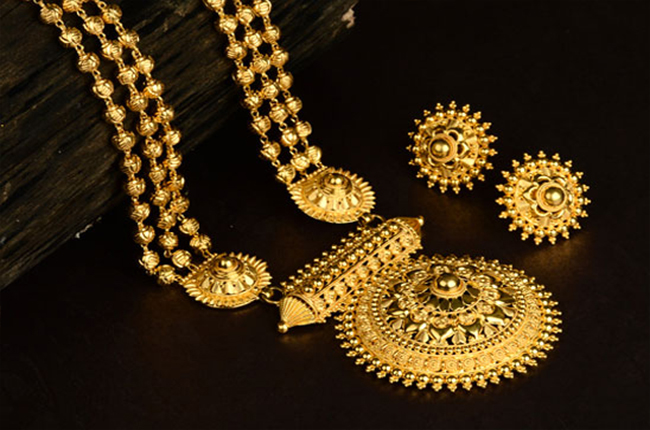
The word jewellery itself is derived from the word jewel, which was anglicised from the Old French "jouel",and beyond that, to the Latin word "jocale", meaning plaything. In British English, Indian English, New Zealand English, Hiberno-English, Australian English, and South African English it is spelled jewellery, while the spelling is jewelry in American English. Both are used in Canadian English, though jewelry prevails by a two to one margin. In French and a few other European languages the equivalent term, joaillerie there, may also cover decorated